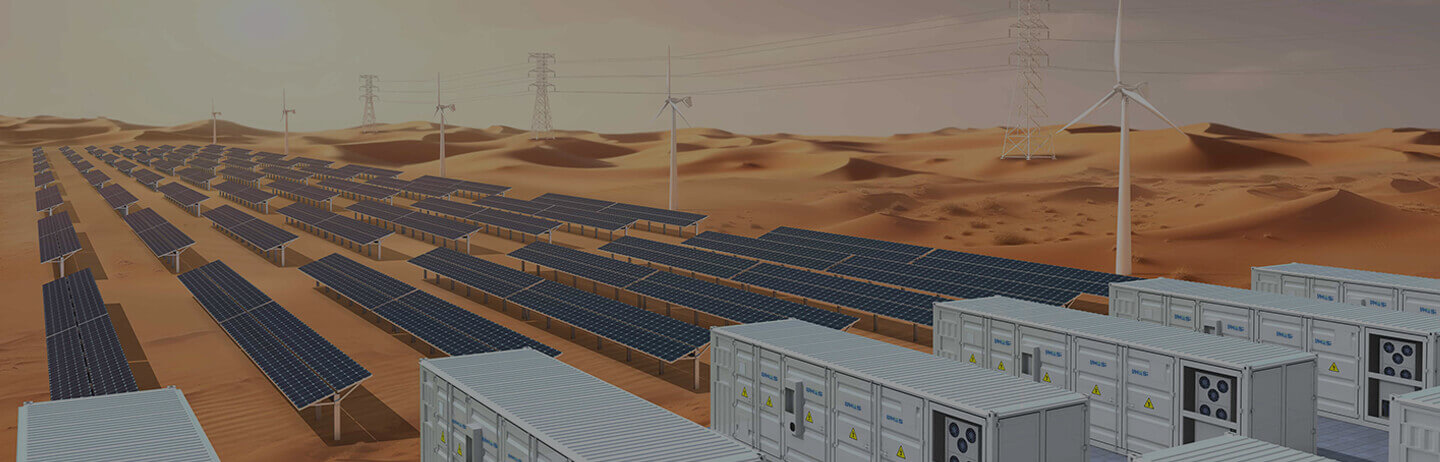
As energy systems evolve, utility-scale battery storage has become a cornerstone of modern grid infrastructure. Unlike smaller distributed solutions, utility-scale energy storage is deployed at the grid level to support large-scale power generation, transmission, and stability. WHES provides advanced solutions tailored for both utility and commercial applications, enabling seamless integration of renewable energy while enhancing overall system performance across global markets.
Defining Utility-Scale Energy Storage
Utility-scale battery storage refers to high-capacity systems—often in the megawatt (MW) to gigawatt (GW) range—designed to operate directly within the power grid. These systems support critical functions such as frequency regulation, peak shifting, and renewable energy smoothing. WHES utility solutions, such as large-scale systems with capacities around 1.5 MW/3 MWh, are engineered to stabilize grid operations and provide rapid response capabilities, including millisecond-level dispatch for grid balancing.
Key Differences Between Utility and C&I Systems
While both system types rely on similar technologies, their applications differ significantly. Utility-scale energy storage focuses on grid-side operations, supporting utilities and transmission networks with services like capacity reserves and black-start capabilities. In contrast, C&I systems are deployed behind the meter to optimize energy usage for individual facilities, enabling functions such as demand charge reduction and self-consumption. WHES highlights this distinction by offering modular C&I solutions with capacities around 500 kWh and scalable outputs up to 1.25 MW, compared to much larger and centralized utility deployments.
Performance, Scale, and System Integration
Another key difference lies in scale and system integration. Utility-scale battery storage is designed for large, interconnected networks and often integrates with renewable plants such as solar and wind farms. These systems require advanced energy management platforms to coordinate multiple assets and maintain grid stability. WHES integrates its intelligent operating system to enable unified cluster management, real-time monitoring, and optimized dispatch across large-scale projects.
Choosing the Right Approach for Energy Strategy
Selecting between utility-scale energy storage and C&I systems depends on project scope and operational goals. Utility-scale solutions are ideal for grid operators and large developers seeking to enhance system resilience and renewable integration, while C&I systems are better suited for businesses aiming to control energy costs and improve reliability. By offering both solutions, WHES supports diverse energy strategies, helping organizations align infrastructure investments with long-term performance and sustainability objectives.
