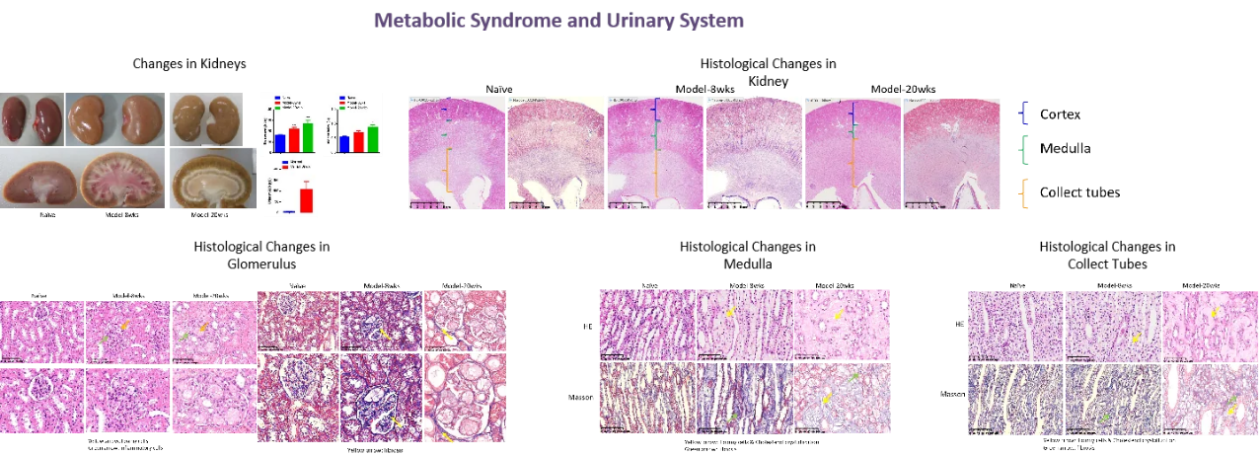
Acute kidney injury represents a critical clinical syndrome characterized by a rapid, sustained decline in renal function over a one-to-seven-day observation window. Translating nephroprotective candidate molecules into viable therapeutics demands robust in vivo evaluation platforms that accurately reflect complex human pathophysiology and systemic disease dynamics. Preclinical research groups frequently collaborate with a specialized preclinical CRO urology provider to execute targeted pharmacological assessments, compound screenings, and longitudinal biomarker analyses.
Utilizing reliable animal models helps investigators examine tubular cell injury, localized inflammatory macrophage infiltration, and functional recovery under rigorous physiological control.
Verifying candidate efficacy against standardized renal endpoints reduces translational attrition before advancing experimental compounds into formal human clinical trials. Comprehensive preliminary validation ensures that developmental resources are allocated toward high-potential therapeutic candidates.
Mechanistic Diversity in Acute Kidney Injury Modeling
Experimental investigation of acute renal failure relies on diverse induction methods that mimic specific human pathogenic pathways and nephrotoxic insults. Ischemia-reperfusion injury models replicate surgical vascular occlusion and subsequent reperfusion stress, producing reproducible tubular necrosis and localized tissue hypoxia.
Conversely, nephrotoxic paradigms utilize established chemical agents such as cisplatin or glycerol to induce direct epithelial damage and acute functional impairment. Cisplatin-induced injury in rodents serves as a standard platform for testing renoprotective compounds against chemotherapy-induced clinical nephrotoxicity and associated tubular damage.
Glycerol-induced myoglobinuric acute renal failure provides an alternative experimental pathway for studying heme protein-mediated tubular toxicity and oxidative cellular stress. Understanding these mechanistic distinctions is essential for selecting appropriate experimental endpoints. Leveraging well-characterized kidney disease models enables biopharmaceutical teams to align drug mechanisms with relevant disease pathologies.
Primary Physiological Metrics and Functional Readouts
Assessing therapeutic efficacy in renal pharmacology requires combining systemic biochemical assays with detailed quantitative histopathology and targeted biomarker profiling. Standard functional monitoring tracks longitudinal changes in blood urea nitrogen and serum creatinine concentrations across defined observation periods.
Histopathological evaluations focus on quantifying tubular cell vacuolization, brush border loss, cast formation, and comprehensive necrosis scoring metrics. Biomarker panels measuring urinary KIM-1 and neutrophil gelatinase-associated lipocalin offer high sensitivity for detecting acute tubular stress and cellular damage.
Integrating systemic metabolic readouts with tissue-level structural analysis minimizes experimental bias during lead candidate optimization stages. Maintaining strict environmental controls across study cohorts ensures reproducibility and supports reliable cross-group comparisons. Validated analytical endpoints provide clear confirmation of candidate biological activity.
Comparative Framework of KCI Biotech’s Acute Kidney Injury Models
KCI Biotech lists three established acute kidney injury models for preclinical drug research and evaluation. The available animal species vary by model, allowing study selection to be considered in relation to the research objectives.
| Model platform | General research focus | Animal species listed by KCI |
| Ischemia-reperfusion-induced acute kidney injury | Renal ischemia and reperfusion injury | Mouse, rat, rabbit, cat, pig, non-human primate |
| Cisplatin-induced acute kidney injury | Drug-induced renal injury | Mouse, rat |
| Glycerol-induced acute renal failure | Glycerol-induced acute renal injury | Rat |
Pharmacokinetic Profiling and Renal Tissue Disposition
Evaluating candidate compounds in renal research requires verifying adequate drug concentration within targeted renal compartments and systemic circulation. Small molecules and biologic agents must achieve appropriate exposure levels in both systemic circulation and vulnerable renal parenchyma. Investigating drug disposition involves precise sampling of plasma, whole kidney tissue, and urine across varied administration schedules and dosing intervals.
Quantitative bioanalytical assays provide essential data regarding renal clearance rates, local tissue accumulation, and systemic metabolic stability. Correlating pharmacokinetic exposure with functional biomarker recovery helps development teams refine dosing frequency prior to formal regulatory submissions and clinical translation. Furthermore, understanding tissue distribution kinetics ensures that therapeutic margins are properly defined during early exploratory phases.
Advanced Analytical Platforms and Translational Alignment
Modern drug discovery strategies increasingly integrate traditional animal models with human-derived cellular systems to enhance translational predictive value. Human primary renal tubular cells and advanced organoid platforms offer valuable in vitro tools for assessing direct cellular cytotoxicity. Combining cellular screening with systemic in vivo models establishes a multi-layered evaluation framework that captures complex hemodynamic regulation and systemic filtration.
Furthermore, emerging imaging technologies and urinary biomarker panels align preclinical endpoints with modern clinical trial methodologies and patient monitoring.
KCI Biotech is a preclinical contract research organization (CRO) that supports drug discovery through in vivo pharmacology and pharmacodynamics studies. Its renal disease model portfolio includes ischemia-reperfusion-induced acute kidney injury, cisplatin-induced acute kidney injury, and glycerol-induced acute renal failure models.
These platforms support preclinical drug research and evaluation, with model selection guided by the study objectives. Rigorous experimental blinding and randomized subject allocation help reduce operator bias and improve the reliability of study findings.
Optimizing Preclinical Pipelines for Renal Therapeutics
Building resilient nephrological discovery pipelines requires balancing model suitability, pathological relevance, and operational execution timelines. Recognizing that individual disease models highlight distinct facets of human renal pathology encourages research teams to adopt comprehensive multi-model testing strategies.
Through systematic model selection, rigorous study controls, and multi-parametric data collection, biopharmaceutical organizations gain clearer insights into candidate mechanisms and therapeutic windows.
Collaborative partnerships between pharmaceutical sponsors and experienced research organizations facilitate the adoption of refined testing protocols and standardized assays. Working together to optimize disease models supports continuous improvement across preclinical urological research workflows. Through thoughtful model selection and biological evaluation, researchers build reliable evidence for novel therapeutic candidates, supporting safer transitions from laboratory discoveries toward clinical applications.
