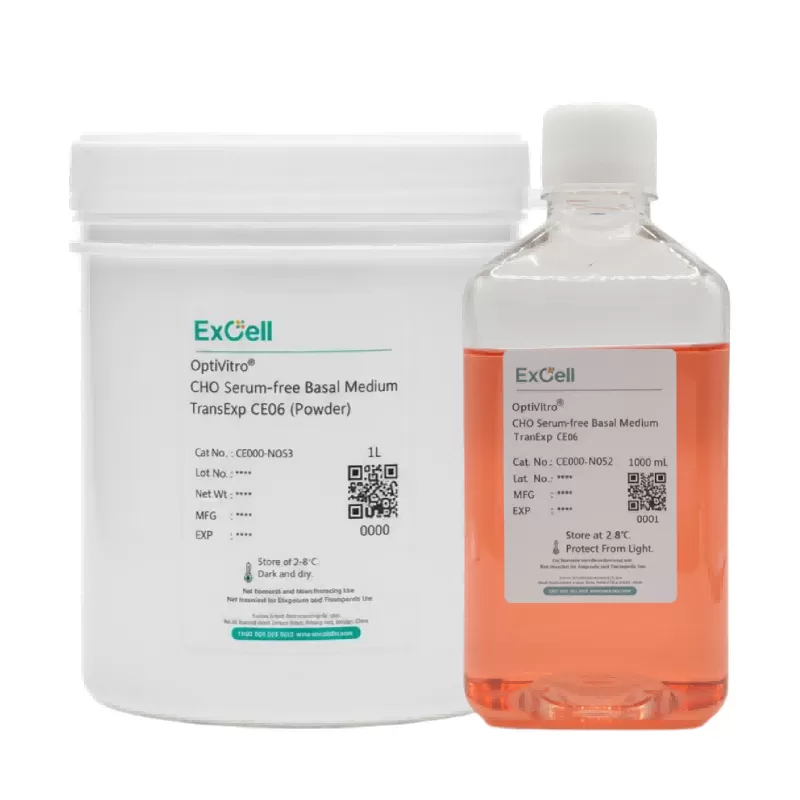
Transitioning to serum-free media can improve reproducibility, reduce regulatory burden, and eliminate variability linked to animal-derived components. Successful adoption of serum-free media for cell culture requires careful planning: choosing an appropriate chemically defined formulation, adjusting handling and feeding strategies, and validating functional endpoints to ensure cells meet performance criteria.
Choosing the Right serum-free Media for Your Cells
Select serum-free media tailored to your cell type and application. For suspension CHO lines used in transfection and high-yield expression, a chemically defined serum-free media that supports high-density growth and maintains viability is essential. Evaluate whether the formulation requires supplements such as glutamine or special feeds; some advanced serum-free media for cell culture are complete and omit additional additives, simplifying workflows. Check vendor data on post-transfection expression, viability, and compatibility with your transfection reagent or system.
Optimizing Culture Conditions and Feeding
Optimize seeding density, agitation, and feed strategy when switching to serum-free media. Many serum-free media for cell culture are more sensitive to nutrient depletion and waste accumulation; implement single or staged feed schedules to sustain metabolic support. Monitor glucose, lactate, and pH to prevent subtle stresses that reduce productivity. Use adaptation protocols—either gradual serum reduction or direct adaptation depending on cell robustness—and validate recovery and functionality after adaptation. Maintain rigorous aseptic technique, as serum omission reduces a buffering effect against minor contaminants.
Quality Control and Scale-Up Considerations
Before scale-up, confirm lot-to-lot consistency and request comprehensive certificates of analysis. Ensure the serum-free media for cell culture has documented protocols for transfection and feeding, and that technical support is available for process transfer. Performance data—viability, titer, and product quality—should be generated under representative conditions.
A reliable supplier for serum-free workflows
For teams seeking proven serum-free media and support, partnering with an experienced supplier matters. ExCell Bio’s OptiVitro® CHO Serum-free Basal Medium TransExp CE06 is an animal-origin–free, chemically defined option designed for suspended CHO transfection, supporting high viability and streamlined single-glucose feeding—backed by protocols and reagent options to ease adoption into research and production.
