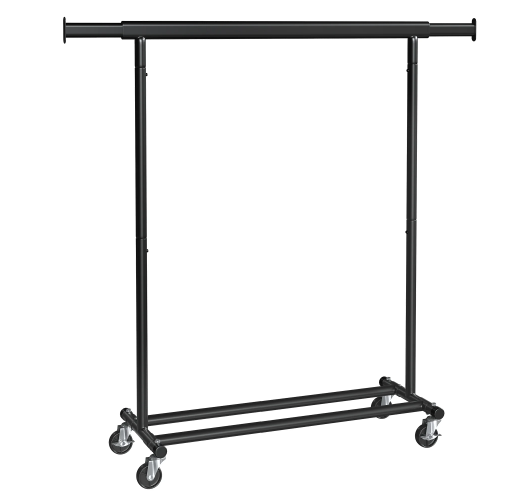
The modern retail landscape frequently demands adaptable home organization products. As living spaces become more fluid, consumers actively seek alternatives to built-in closets. Freestanding metal clothing racks have emerged as a practical category for businesses aiming to capture this demographic. These versatile structures offer consumers immediate utility without requiring complex installation.
For retail buyers, stocking the right garment organization tools involves more than just assessing visual appeal. Evaluating technical specifications is a necessary step to maintain low return rates and protect brand reputation. Different consumer segments require varying levels of structural support and functionality. Understanding these key features allows procurement teams to build a more targeted inventory portfolio.
Assessing Load Capacity and Material Quality
The primary function of any metal wardrobe unit is reliable load-bearing capacity. Consumers utilizing these units as primary closets often hang heavy seasonal items like winter coats. If a rack features weak joints or thin tubing, it may bend under pressure. Retailers must scrutinize the steel gauge and connector materials during the procurement process.
High-quality models typically utilize powder-coated carbon steel. This finish provides resistance against rust, which is particularly beneficial in humid environments. Furthermore, buyers should investigate whether the structural joints are constructed from heavy-duty metal or standard plastic. Robust materials generally result in a longer product lifespan, which can help retailers minimize customer complaints regarding structural failure.
Design Variations for Different Consumer Needs
Retailers benefit from offering varied configurations to address diverse household requirements. A standard single-bar model might appeal to young professionals needing temporary hanging space in a rented apartment. Conversely, families often seek double-bar designs to maximize vertical efficiency. Offering a mix of these structures helps businesses cater to multiple buyer personas.
Many modern configurations incorporate integrated shelving alongside hanging rails. These hybrid designs allow users to store folded garments, footwear, and accessories in one centralized location. When evaluating these multi-functional units, buyers should confirm the weight limits of the individual shelves. Sturdy shelving expands the utility of the rack, making it a more attractive proposition for the end consumer.
Mobility vs. Stationary Anchoring Features
Mobility is another critical feature that influences purchasing decisions. Racks equipped with caster wheels provide significant flexibility, allowing users to reconfigure their living spaces easily. This mobility is often a strong selling point for apartment dwellers. However, rolling units require high-quality, industrial-grade casters to prevent floor damage and maintain stability when fully loaded.
When sourcing mobile racks, buyers should verify that the wheels feature reliable locking mechanisms. Without secure locks, a loaded rack might shift unexpectedly on hard flooring. Alternatively, stationary racks with adjustable leveling feet may be preferable for uneven surfaces. Retailers can evaluate their target market’s flooring trends to determine which base design makes the most commercial sense.
Evaluating Storage Solutions for Small Spaces
While exposed metal structures are popular, they represent just one facet of home organization. Some consumers prefer hybrid approaches to protect specific garments. Exploring versatile storage solutions for small spaces allows buyers to understand the balance between open accessibility and enclosed protection. A well-rounded retail catalog often includes both styles to maximize sales opportunities.
Providing complementary products, such as hanging fabric shelves or storage bins that fit metal racks, can drive additional retail transactions. These accessories enhance the core product’s functionality. When buyers source compatible add-ons, they create cross-merchandising opportunities within their showrooms or e-commerce platforms. This strategy may lead to increased average order values.
Collaborating with a Capable Garment Rack Manufacturer
Sourcing durable organizational furniture requires evaluating potential production partners. A capable garment rack manufacturer needs strict quality control procedures to maintain consistency across large order volumes. Buyers should look for factories demonstrating technical proficiency in metalworking and surface finishing. Consistent manufacturing standards are vital for reducing operational friction during inventory receiving.
Operational scale is another factor procurement teams must weigh. Suppliers with extensive production lines can generally adapt faster to unexpected spikes in retail demand. This capability helps businesses prevent costly stockouts during peak shopping seasons. Evaluating a supplier’s production elasticity provides retailers with greater confidence when planning their annual purchasing budgets.
SONGMICS HOME and B2B Supply Capabilities
When analyzing comprehensive supply chains, businesses may review established B2B entities. SONGMICS HOME operates as a global furniture and home organization manufacturer. Their product portfolio encompasses a variety of metal clothing racks, ranging from lightweight single-bar models to heavy-duty wardrobe systems. This selection allows buyers to source diverse storage categories from a single entity.
To accommodate international wholesale requirements, they manage an extensive network of self-owned distribution centers. These logistical hubs are positioned across multiple key global markets. This localized warehousing infrastructure is designed to facilitate timely order fulfillment. Retailers might find this capability advantageous when trying to stabilize their inbound supply chains against regional shipping fluctuations.
Furthermore, they provide Original Equipment Manufacturer and Original Design Manufacturer services for B2B clients. Their internal engineering teams can collaborate with buyers to customize rack dimensions, materials, or finishes. This manufacturing flexibility allows wholesale partners to align their product assortments with specific brand identities, potentially differentiating their catalogs in a competitive retail landscape.
Optimizing Showroom Layouts and Inventory Turnover
Strategic procurement of metal storage furniture can directly impact a retailer’s floor space efficiency. Because these products package relatively flat, they consume less space in backroom storage compared to pre-assembled furniture. This high storage density supports better inventory turnover rates. Retailers can maintain higher stock levels without expanding their physical warehouse footprint.
Ultimately, building a profitable organization category depends on selecting highly functional, durable products. Retailers who prioritize structural integrity and versatile design features are better positioned to meet consumer expectations. By partnering with scalable, quality-focused manufacturing facilities, procurement teams can streamline their purchasing processes. This focus helps businesses maintain healthy margins while offering practical lifestyle solutions.
