A model that attracts attention in a catalogue still needs to prove its commercial value in a specific market. Distributors must consider local riding habits, price expectations, road regulations, after-sales capacity, and the amount of capital tied up in inventory before introducing another vehicle.
Evaluating an electric scooter manufacturer involves more than comparing headline specifications; it requires understanding how a model fits the intended customer base and how reliably the supplier can support future orders. LUYUAN, an established electric two-wheeler brand, offers a useful starting point for dealers examining product suitability alongside the practical requirements of distribution.
Match the Model to Local Customer Demand
Customer research should come before a purchase commitment. In some markets, commuters prioritize dependable daily transportation and manageable charging routines, while other segments may focus on acceleration, styling, storage, or longer-distance travel. Dealers can review competing products, speak with existing customers, and assess local commuting distances to identify which specifications matter most. A product range built around documented demand is generally easier to manage than one assembled solely from the latest market trends.
Performance figures need to be interpreted in context. Rated motor power describes a different characteristic from peak output, while maximum speed does not indicate how efficiently a vehicle travels through stop-and-go traffic. Advertised range also depends on battery capacity, terrain, temperature, rider weight, and riding style. A distributor working with an electric scooter manufacturer should request test conditions and configuration-specific specifications so that product comparisons reflect realistic usage rather than isolated numbers.
Price positioning is another important part of market fit. A higher-specification vehicle may appeal to customers who value additional performance, but its retail price must remain appropriate for the intended segment. Dealers should estimate the landed cost, likely retail margin, financing requirements, and expected stock turnover before placing an order. Local competitors and customer interviews can help establish whether a model fills a genuine gap or duplicates products already available in the shop.
Verify Specifications Before Confirming an Order
Product pages provide a useful introduction, but distributors should obtain the current technical sheet for the precise version under consideration. Important details include motor rating, battery chemistry and capacity, charging time, braking equipment, lighting, tire specifications, and any connected functions. Differences between configurations can affect both retail positioning and compliance, so quotations and technical documents should identify the same version. Buyers should also confirm which accessories are included and which require separate orders.
Battery specifications deserve particular attention because they affect charging routines, operating costs, and customer expectations. Capacity alone does not determine range: energy consumption, system efficiency, terrain, and operating conditions also matter. Dealers should check the recommended charging procedure, battery warranty terms, and the availability of replacement units. These details help sales staff explain the vehicle accurately and allow the business to prepare for service needs after the first sales.
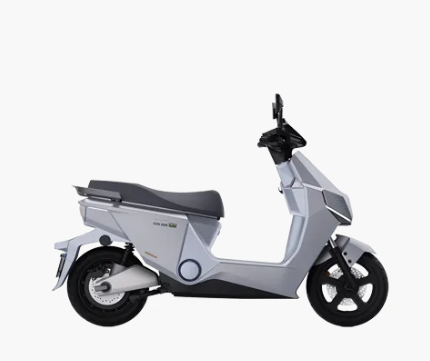
The LUYUAN electric scooter S90 can be assessed as one candidate within a broader dealer portfolio. Published specifications for the S90 have included a 3,000 W rated motor, a maximum speed of 80 km/h, and a 72 V 48 Ah lithium manganese oxide battery, with a stated charging time of approximately five to six hours. Specifications may vary by configuration and market, so distributors should verify the current version, applicable local regulations, and supporting documentation before using these figures in quotations or promotional materials.
Calculate the Operational Cost of Supporting the Model
A dealer’s investment continues after vehicles arrive at the warehouse. Storage, preparation before delivery, staff training, spare parts, warranty handling, and customer communication all contribute to the cost of selling and supporting a vehicle. These expenses should be incorporated into the margin calculation rather than treated as unexpected overhead. A realistic estimate helps determine whether the proposed retail price can support both the business and its customers.
Supplier support becomes particularly important when technical issues arise. Before an agreement is signed, distributors should ask how warranty claims are submitted, what evidence is required, which components are covered, and how replacement parts are dispatched. Access to service manuals, parts diagrams, diagnostic instructions, and technical contacts can shorten troubleshooting time. These arrangements are worth discussing with an electric scooter manufacturer before the first bulk shipment, when expectations and responsibilities can still be documented clearly.
Order planning also needs to account for replenishment. A successful launch can create stock shortages if production and shipping take longer than expected, while an overly large first order can leave capital tied up in slower-moving inventory. Buyers should confirm minimum order quantities, production lead times, payment milestones, and procedures for changing an order. A staged purchasing plan, supported by sales data and realistic delivery estimates, can provide a more controlled route to expanding the product range.
Conclusion
Adding a new vehicle to a product line is a business decision that reaches beyond its technical appeal. Dealers need to establish who the model serves, confirm its specifications, calculate the cost of supporting it, and understand the supplier’s obligations after delivery. The LUYUAN electric scooter S90 may suit particular market segments, but its role should be determined through local research and configuration-specific verification rather than headline figures alone.
For distributors evaluating an electric scooter manufacturer, LUYUAN offers a potential starting point for further discussion, while a disciplined assessment of demand, compliance, inventory, and service support provides the basis for a more sustainable product strategy.
