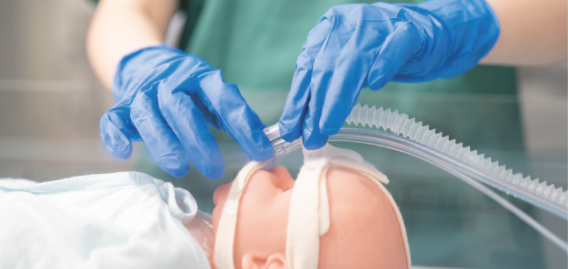
Clinical decisions regarding respiratory support for the smallest patients require a precise evaluation of pulmonary function and gas exchange. When a neonate exhibits signs of severe respiratory distress or failure to maintain adequate oxygen levels, medical teams often initiate mechanical ventilation to prevent further physiological decline. This intervention is critical for infants who cannot sustain the metabolic demands of breathing due to prematurity or congenital complications. By providing controlled pressure and oxygen delivery, healthcare providers can stabilize the infant’s condition while their lungs continue to develop or recover from acute illness. The application of such life-sustaining technology is a cornerstone of neonatal intensive care, ensuring that vulnerable newborns receive the necessary ventilatory assistance.
Addressing Respiratory Distress Syndrome
Premature infants frequently suffer from a lack of surfactant, a condition that makes the lungs prone to collapse. In these cases, an infant ventilator is utilized to provide continuous positive airway pressure or synchronized mandatory ventilation to keep the alveoli open. This mechanical assistance reduces the work of breathing and improves the distribution of oxygen throughout the body. Systems like the NV10 are specifically designed to meet these needs by offering non-invasive modes that minimize the risk of lung injury. By maintaining optimal lung volumes, the medical staff can effectively manage the transition period for preterm babies as they gain the strength to breathe independently.
Managing Persistent Pulmonary Hypertension
Complications such as persistent pulmonary hypertension of the newborn often necessitate the use of newborn mechanical ventilation to optimize oxygenation and reduce pulmonary vascular resistance. This condition occurs when the infant’s circulatory system does not successfully transition from fetal to neonatal life, resulting in low blood oxygen levels. The use of advanced ventilation strategies allows clinicians to carefully regulate carbon dioxide levels and maintain adequate systemic blood pressure. High-frequency oscillation or conventional modes provided by modern equipment can be adjusted to the specific hemodynamic needs of the patient. This targeted approach is essential for preventing long-term damage to the heart and brain during the critical first days of life.
Supporting Post-Operative and Critical Recovery
Surgical interventions or severe infections like pneumonia often require the temporary use of an infant ventilator to ensure the patient remains stable during the healing process. Following major cardiac or abdominal surgery, a newborn may lack the physical stamina to breathe without assistance. The hardware provides a reliable safety net by delivering consistent tidal volumes and monitoring for any signs of respiratory fatigue. Integrated sensors in the equipment allow for real-time adjustments, ensuring that the ventilation parameters remain perfectly aligned with the infant’s changing clinical status. This level of oversight is vital for successful recovery in the highly sensitive environment of a neonatal ward.
The implementation of specialized respiratory technology is a vital component in the management of neonatal health crises. Through the capabilities of the NV10, COMEN enables medical professionals to deliver precise and gentle care to the most fragile patients. These systems offer a range of modes that adapt to the specific indications for respiratory support, from non-invasive therapy to more intensive mechanical assistance. Ensuring that the correct ventilation strategy is applied at the right time significantly impacts the short-term stability and long-term developmental outcomes for newborns. Consistent monitoring and high-precision gas delivery remain the standard for effective neonatal intensive care.
