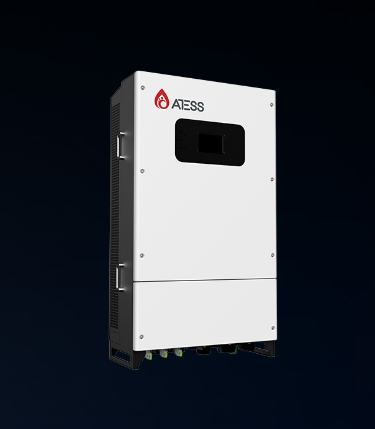
Technical operations within modern energy systems center on the ability to manage electricity flows from diverse sources. At the heart of these installations , a hybrid inverter functions as an intelligent gateway, regulating the conversion and distribution of power between solar arrays, energy storage units, and the electrical grid. Atess systems provide the necessary circuitry to handle these interactions, ensuring that energy is directed where it is most needed at any given moment. By utilizing a solar hybrid inverter, facilities maintain a balanced energy profile that accounts for both current demand and future storage requirements.
Managing Energy Conversion and Flow
Central to the functionality of these units is the conversion of direct current from solar panels into alternating current for immediate use. When a hybrid inverter detects excess power generation, it diverts the surplus energy to charge connected battery banks instead of sending it directly to the grid. This process ensures that they retain power for later use, which is critical for maintaining site operations when sunlight is unavailable. The operational logic behind a solar hybrid inverter prioritizes self-consumption, which assists them in reducing reliance on external utility providers and managing energy costs more effectively.
Maintaining Grid Connectivity and Stability
The unit’s ability to communicate with the utility grid while concurrently managing local storage enhances reliability. A hybrid inverter constantly monitors grid conditions to determine when to switch between battery supply and grid power, protecting equipment from voltage fluctuations. They find that this automated management ensures continuous service for essential loads, regardless of external power stability. Furthermore, a solar hybrid inverter provides the flexibility to export power back to the utility if regulations allow and storage is full, ensuring that no generated energy is wasted.
Ensuring Seamless System Integration
Operational efficiency depends on the seamless coordination between various power components. They utilize these systems to create a cohesive infrastructure where every component works in harmony to meet facility requirements. By relying on advanced control logic, the hardware manages transitions between energy modes without human intervention. This automated approach provides the stability needed for long-term energy planning.
