Regular maintenance plays an important role in keeping a laser machine hair removal system stable during daily clinical use. Clinics and distributors usually focus on treatment results, but cleaning, inspection, and cooling management also affect device performance over time. ENZOEYS develops aesthetic equipment for medical beauty institutions, and they recommend routine maintenance schedules for operators using the S500 platform. This model is designed for long treatment sessions and continuous output, so basic care procedures help reduce unnecessary downtime. For clinics using a diode laser hair removal machine, maintenance planning also supports consistent energy delivery and patient comfort during repeated treatments.
Cooling and Handpiece Management
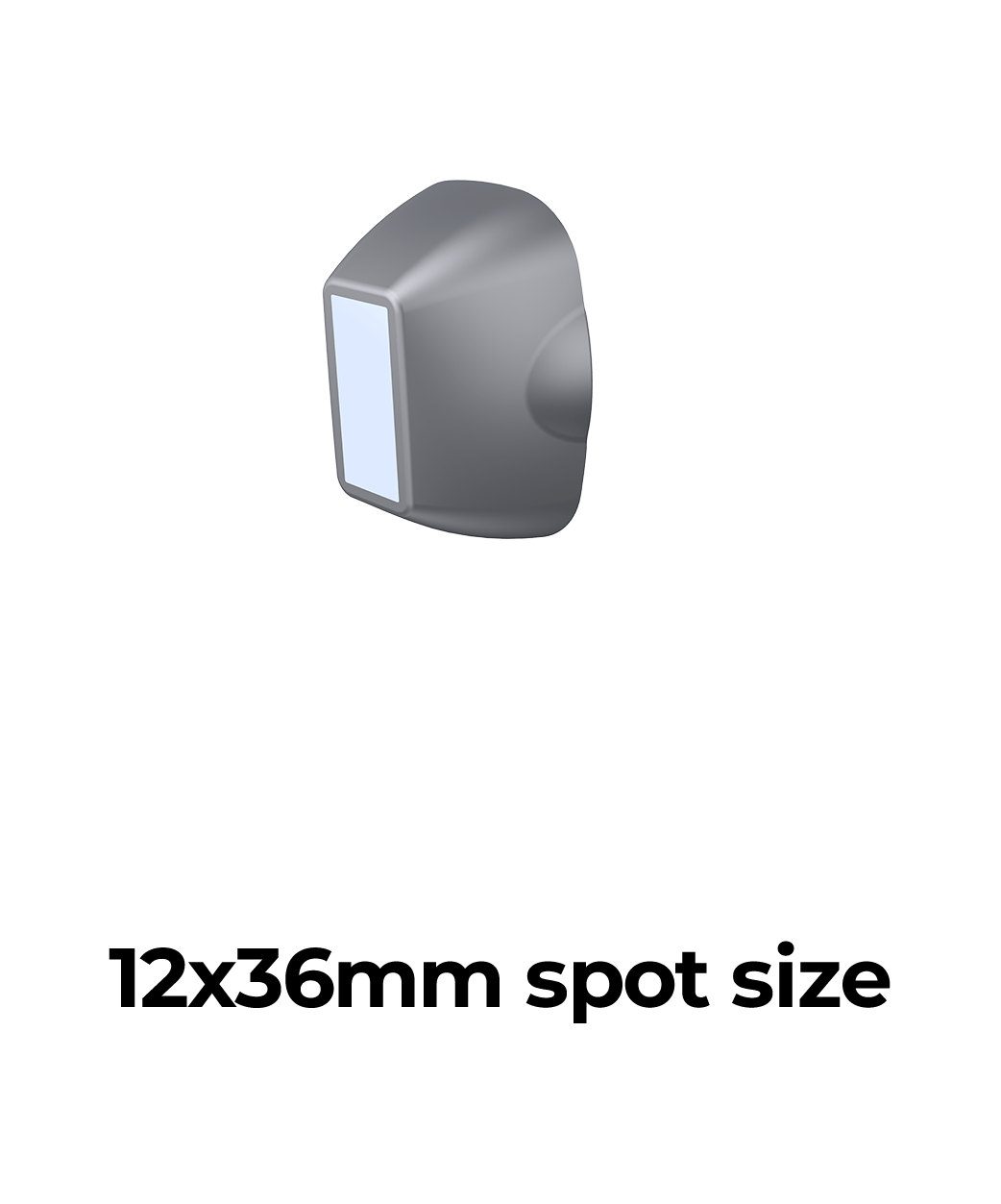
One of the most important maintenance tasks involves the cooling system and treatment handpiece. Dust accumulation around air vents may affect heat dissipation, especially in busy laser clinics. Operators usually clean filters, check water circulation, and monitor coolant levels according to the equipment manual. The sapphire contact surface should also be wiped after each session to prevent gel residue from affecting light transmission. The S500 system from ENZOEYS includes a contact cooling structure intended for high-frequency treatment use, so stable temperature control is necessary during operation. In many clinics, maintenance logs are used to record cooling inspections and replacement schedules for internal components.
Inspection and Calibration Practices
Professional users also pay attention to software status, pulse output stability, and cable connections. Loose connectors or worn treatment accessories may influence treatment consistency. Many distributors recommend periodic calibration checks to confirm that energy settings remain within operational standards. Before using a diode laser hair removal machine, operators often inspect the touchscreen, emergency switch, and treatment interface to avoid interruption during procedures. Some aesthetic clinics arrange quarterly servicing for their laser machine hair removal equipment to support longer device life. They may also provide staff training to reduce handling mistakes that could affect optical parts or internal systems.
Conclusion
Maintenance for aesthetic laser systems includes cleaning, cooling inspection, calibration review, and routine operational checks. These steps help clinics manage equipment reliability while supporting daily treatment schedules. ENZOEYS integrates manufacturing, research, and after-sales support for medical aesthetic devices, and they provide maintenance guidance for institutions using the S500 platform. For distributors, dermatology clinics, and aesthetic centers, a structured maintenance process can help keep treatment systems operating under stable clinical conditions.
