Underground cable chambers and utility ducts can contain hazardous atmospheres caused by gas leaks, poor ventilation, water ingress, or nearby industrial activities. Before workers enter these restricted spaces, atmospheric testing is essential to identify combustible gases, toxic substances, and oxygen deficiencies. Selecting suitable equipment requires understanding the potential hazards, sensor configurations, sampling methods, and alarm functions.
A portable gas detector supports pre-entry inspections and ongoing monitoring, while a portable gas monitor helps workers identify changing conditions during maintenance. Bosean’s BH-90A provides a practical single-gas detection option for underground utility environments where its selected sensor matches the identified risk.
Why Underground Cable Chambers and Ducts Require Gas Monitoring
Cable chambers, manholes, and underground ducts are often poorly ventilated. Their enclosed structures can allow hazardous gases to accumulate, particularly when leakage occurs from nearby pipelines, drainage systems, or industrial facilities.
Combustible gases such as methane may enter underground spaces through soil or damaged utility infrastructure. Toxic gases, including hydrogen sulfide and carbon monoxide, may also occur depending on surrounding operations and environmental conditions. Oxygen levels can decrease when displaced by other gases or consumed through certain biological and chemical processes.
These hazards are not always detectable through smell or visual inspection. Consequently, workers should never assume that an underground chamber is safe simply because it appears clean or has remained undisturbed.
Common Atmospheric Hazards in Underground Utility Spaces
1.Combustible Gases and Explosion Risks
Methane and other combustible gases can accumulate in underground chambers. When concentrations enter an ignitable range, electrical equipment, sparks, or maintenance activities may create ignition risks.
A portable gas detector configured for combustible gas measurement can help identify these conditions before workers enter. Detection equipment should have appropriate hazardous-area certification for the intended operating environment.
2.Toxic Gas Exposure
Hydrogen sulfide and carbon monoxide are important examples of toxic gases that may occur in underground environments. Hydrogen sulfide can originate from wastewater systems, while carbon monoxide may result from nearby combustion equipment or vehicle exhaust.
Exposure can cause serious health effects, even when workers spend relatively little time in a contaminated space. A suitable sensor configuration and clearly defined alarm thresholds are therefore important.
3.Oxygen Deficiency
Oxygen deficiency presents another major concern. Other gases may displace oxygen, creating an atmosphere that cannot safely support normal breathing. Oxygen enrichment can also increase fire risks.
For this reason, underground atmospheric testing should generally include oxygen measurement alongside combustible and relevant toxic gas detection. A single-gas instrument cannot independently assess every atmospheric hazard.
How to Select a Portable Gas Monitor for Underground Work
Sensor Selection and Detection Performance
The first consideration is identifying which gases may be present. Utility contractors should review site records, nearby pipelines, drainage infrastructure, and previous inspection findings.
Sensor sensitivity, detection range, response time, and cross-sensitivity should also be evaluated. A portable gas monitor must be configured for the target substance rather than selected solely because it is marketed for underground applications.
Sampling Methods and Continuous Monitoring
Natural-diffusion instruments measure gases entering the sensor through surrounding air movement. They are suitable for personal monitoring and checking atmospheric conditions around the worker.
However, underground chambers may contain different gas concentrations at different heights. Heavy gases can accumulate near the bottom, while lighter gases may collect higher up. Testing should therefore cover different levels before entry.
Where appropriate, sampling probes and pumped instruments allow personnel to examine remote areas without immediately entering the chamber. Continuous monitoring during work is also important because atmospheric conditions can change unexpectedly.
Durability, Alarms, and Maintenance
Underground equipment may encounter moisture, dust, dirt, and accidental impacts. Buyers should evaluate enclosure protection, battery performance, alarm visibility, and ease of operation.
Audible, visual, and vibration alarms can help workers recognize dangerous conditions. Regular bump testing, calibration, sensor inspection, and battery checks are necessary to maintain dependable performance.
Bosean BH-90A: Single-Gas Detection for Underground Applications
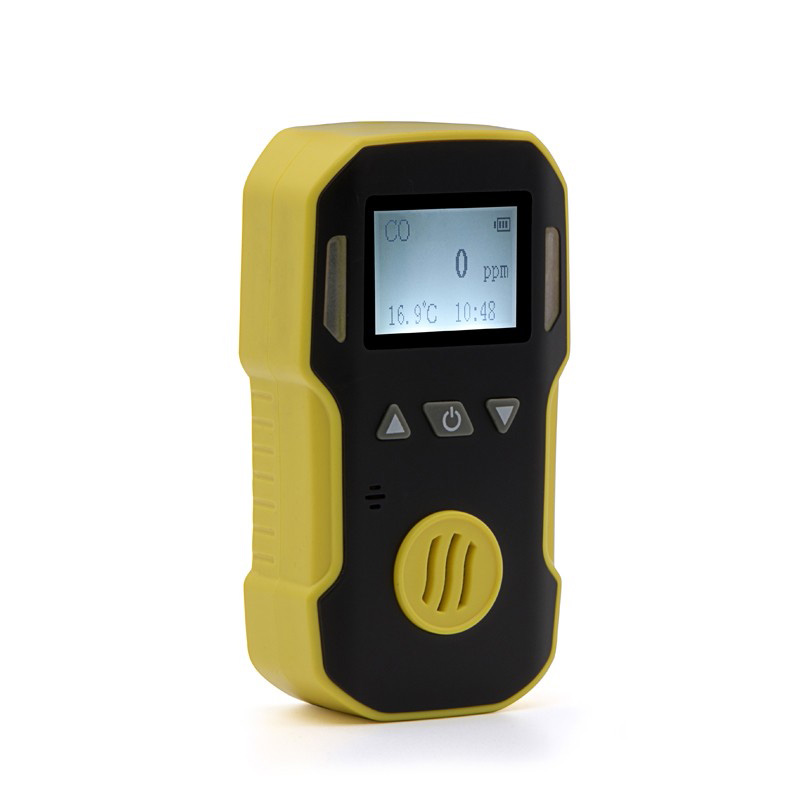
The Bosean BH-90A Single Gas Detector is designed for continuous detection of combustible or toxic gases. Its intended applications include underground pipelines, mines, and environments where gas leakage may threaten personnel or infrastructure.
The instrument uses a high-quality sensor and natural-diffusion detection method. Its embedded MCU controller supports straightforward operation, while the sensor design provides sensitivity and repeatability for the selected detection application.
The housing combines high-strength material with anti-slip rubber. Its waterproof and dustproof construction makes it relevant to challenging industrial environments where equipment may encounter moisture and airborne particles.
For underground cable chamber inspections, the BH-90A can be considered when a single target gas needs dedicated monitoring. Buyers should confirm the available sensor type, measurement range, alarm settings, ingress protection rating, and hazardous-area certifications before deployment.
Because the BH-90A is a single-gas instrument, it should not replace multi-gas atmospheric testing when combustible gases, toxic substances, and oxygen deficiencies may coexist. Contractors may need several instruments or a suitable multi-gas system to meet their complete monitoring requirements.
Establishing Safe Entry and Monitoring Procedures
Equipment selection is only one part of underground utility safety. Contractors should establish documented entry procedures covering atmospheric testing, ventilation, communication, and emergency response.
Before entry, trained personnel should test the atmosphere remotely where possible, checking oxygen, combustible gases, and relevant toxic substances. Ventilation should be used when necessary, followed by additional testing to verify conditions.
Workers should continue monitoring throughout the task according to the risk assessment. Attendants, rescue arrangements, and suitable protective equipment should also be included in the safety plan.
Improving Underground Utility Safety Through Better Gas Detection
Reliable atmospheric monitoring helps utility contractors reduce exposure risks during cable chamber inspections, duct maintenance, and underground infrastructure repairs. The right equipment depends on the gases involved, sampling requirements, environmental conditions, and applicable safety procedures.
A portable gas detector should be selected according to documented hazards, while a portable gas monitor must be maintained and operated by trained personnel. Bosean‘s BH-90A offers a practical single-gas option for applications requiring targeted combustible or toxic gas monitoring. Combining appropriate detection equipment with systematic testing, ventilation, and emergency planning helps organizations establish safer underground working environments.
